
Sugar Syrup Calculator for Bees
Quickly figure out how much water and sugar you need to make light or heavy syrup for feeding your bees.
Water Needed
1.00 L
Add this much water to 1.00 kg of sugar for a 1:1 light syrup.
Final Syrup Volume
1.63 L
Use this as a capacity check to make sure the mixed syrup will fit in your jar, bucket, or feeder.
Deep Frames Equivalent
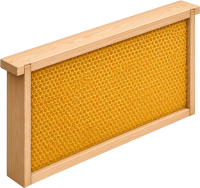
0.4
double-sided deep frames
Medium Frames Equivalent
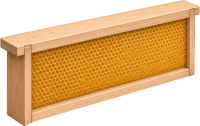
0.8
double-sided medium frames
Spring syrup is often consumed directly for brood rearing and comb building. Frame estimates show the finished-store equivalent of the sugar if it were cured and stored.

Mixing syrup is the easy part. Remembering which hive got what, and when, is the part that matters. Track feedings on hivemunk — free for your first 10 hives.
When to feed 1:1 light syrup
Best in spring and on packages or new swarms. Mimics natural nectar flow, stimulates brood rearing and comb building.
When to feed 2:1 heavy syrup
Best in fall to build winter stores. Less water means bees cure it faster — critical before the first frost.
Quick tips
- Use plain white granulated sugar only — never brown, raw, or organic sugar.
- Feed in enclosed feeders (top, frame, or entrance) to prevent robbing from other colonies.
- Never add vinegar, lemon juice, or cream of tartar to "invert" syrup — acids increase HMF formation.
- Stop liquid feeding when daytime temps drop below 10°C / 50°F
How to make sugar syrup for bees
Preparing sugar syrup is straightforward. Use the calculator above for amounts, then follow these steps:
- 1.Measure your sugar by weight and water by volume.
Use the calculator above to set the 1:1 (light) or 2:1 (heavy) ratio for the volume you need. - 2.Warm the water gently — don't boil it.
Around 50°C / 120°F is plenty. Boiling or overheating sugar produces HMF, which is toxic to bees. - 3.Take the pot off the heat, then stir in the sugar.
Keep stirring until it's fully dissolved. Heavy 2:1 syrup takes longer and benefits from warmer water. - 4.Cool to room temperature before feeding.
Warm syrup can stress bees. - 5.Refrigerate any leftovers.
Use within about a week. Discard if you see mold, fermentation bubbles, or smell anything sour.

Boost Engagement on Your Beekeeping Site
Provide a helpful, free calculator for your readers. Customize the style and get an easy-to-use copy-paste embed code instantly. Perfectly fits any blog or club website.
Bookmark this page for next time
Drag the link below to your bookmarks bar, or press ⌘ / Ctrl + D.
Syrup CalculatorSugar Syrup for Bees: Common Questions
What is sugar syrup?
Sugar syrup is a simple mix of white granulated sugar and water that beekeepers feed to honeybees as a substitute for natural nectar. It supports new colonies, stimulates spring brood rearing, and helps bees build winter stores in fall.
What's the difference between 1:1 and 2:1 sugar syrup?
1:1 ("light") syrup is equal parts sugar and water by weight — it mimics nectar and stimulates brood rearing in spring. 2:1 ("heavy") syrup is two parts sugar to one part water — thicker, with less moisture for bees to evaporate, making it the right choice for fall feeding before winter.
How much sugar do I need to make sugar syrup?
It depends on how much syrup you want and which ratio. Use the calculator at the top of this page — enter the total volume and choose 1:1 or 2:1, and you'll get the exact sugar and water amounts in metric or imperial units.
How do I make 2:1 sugar syrup?
Use two parts white granulated sugar to one part water by weight — for example, 2 kg sugar with 1 kg water, or 4 lb sugar with 2 lb water. Warm the water gently (don't boil), stir the sugar in until fully dissolved, and cool to room temperature before feeding.
Can I store leftover sugar syrup?
Refrigerate it and use within about a week. Discard immediately if you see mold, bubbles from fermentation, or smell anything sour — fermented syrup can harm your colony.
Learn more
- Trying to get your colony through winter? Read our Guide to Feeding Bees in Winter.
- For the full picture on getting your colonies through winter — stores, insulation, mite control, and more — check out our Complete Guide to Overwintering Bees.