
Honey bees do not hibernate in winter.
They stay awake, active, and alive inside the hive, but they switch into a completely different survival mode. Instead of flying from flower to flower, raising large amounts of brood, and bringing in nectar and pollen, the colony contracts into a tight winter cluster and lives off the honey it stored during the warmer months.
That cluster is the key to understanding what bees do in winter. A honey bee colony survives cold weather not as thousands of separate insects, but as one shared heat-generating organism.
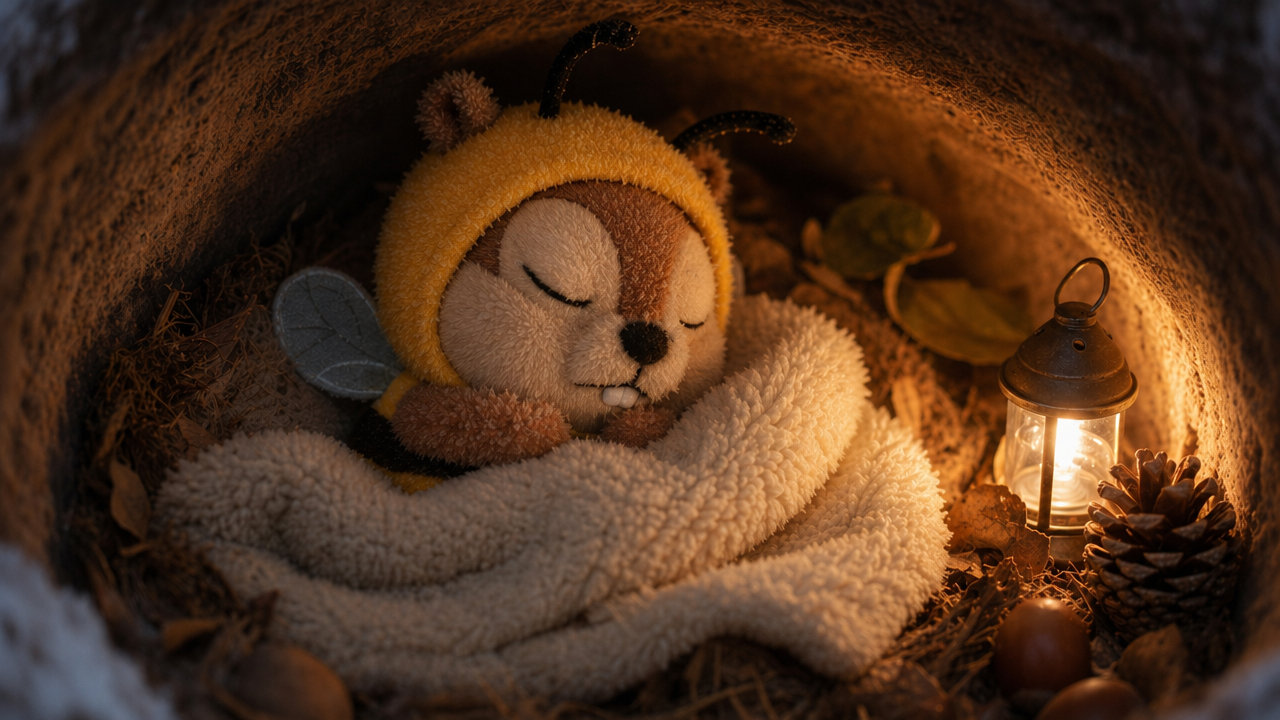
Do bees hibernate in winter?
No. Honey bees do not hibernate.
A hibernating animal drops into a deep dormant state and dramatically slows its metabolism for a long period. Honey bees do something different. They remain active inside the hive all winter, but they reduce almost everything that is not essential for survival.
They stop regular foraging. The queen slows down or pauses egg laying. Drones are usually removed from the colony before winter because they consume food but do not help the colony survive the cold. The workers form a tight cluster around the queen and conserve heat together.
So if you are wondering where honey bees “go” in winter, the answer is simple: they are still inside the hive.
They are just not living the same kind of life they live in June.
What is a winter cluster?
As the weather cools in autumn, the bees begin to pull together into a ball-shaped mass called a cluster.
The outside layer of the cluster acts like an insulating shell. Bees on the outside press close together and help reduce heat loss. Inside the cluster, bees generate heat by flexing their flight muscles without actually flying. This is similar to shivering, except it is happening across thousands of bees at once.
The cluster is not completely still. Bees gradually rotate between the colder outside layer and the warmer inside. The bees on the outside can move inward to warm up, while others take their place. In this way, the colony shares the burden of staying warm.
The cluster also moves slowly through the hive as winter progresses. It usually moves upward through the combs as it eats the honey above it.
That upward movement is one reason winter food placement matters so much. Bees can starve in winter even when honey is still present in the hive, if the honey is too far away from the cluster for them to reach during cold weather.
How do bees stay warm in winter?
Honey bees stay warm by clustering together and generating heat with their bodies.
A single honey bee cannot survive freezing temperatures for long on its own. A full colony can survive because thousands of bees cooperate. The larger the cluster, the easier it is for the colony to hold heat. A small cluster loses warmth faster, the same way a small cup of coffee cools faster than a large mug.
The bees do not try to heat the entire hive like a house. That would take far too much energy. Instead, they heat the cluster itself.
This distinction matters. The inside of a winter hive can still be cold. The empty space away from the cluster may be near the outside temperature. What matters is the temperature inside the cluster, especially around the queen and any brood the colony begins raising later in winter.
When the colony is broodless, the cluster can stay cooler. Once the queen begins laying again, the bees must keep the brood area much warmer. That is one reason colonies often consume food faster in late winter and early spring than they did during the deepest part of winter.
What do bees eat in winter?
In winter, honey bees mostly eat stored honey.
That honey is not just food in the casual sense. It is the colony’s fuel supply. Bees eat honey, metabolize it, and use that energy to generate heat. The colder the weather, the smaller the cluster, or the worse the insulative qualities of the hive, the more stores the colony may burn through.
This is why beekeepers care so much about fall stores. A colony that feels heavy in autumn is not just “well stocked.” It has the energy reserve it needs to heat itself through winter and restart brood rearing before spring forage is reliably available.
Bees will also use stored pollen or bee bread, especially once brood rearing resumes. Honey provides energy. Pollen provides protein, fats, vitamins, and minerals needed to raise young bees.
For beekeepers, the practical lesson is that winter feeding should be thought of as a backup plan, not the main plan. The best winter food is the colony’s own properly ripened honey. If a colony is light in autumn, beekeepers usually correct that before winter by feeding heavy sugar syrup while the bees can still process and store it.
Once true winter sets in, liquid feed becomes risky because it adds moisture and can chill the colony. Emergency winter feed is usually solid feed placed directly above the cluster, such as fondant, sugar bricks, or dry sugar using the Mountain Camp method.
For a deeper look at what to feed and what to avoid, see our guide to feeding bees in winter.
Do bees fly in winter?
Sometimes, but not often.
Honey bees usually stay inside the hive during cold weather. They do not fly out every day the way they do in summer. Flying in cold weather is dangerous because a chilled bee may not make it back.
On warmer winter days, bees may take short flights called cleansing flights. Bees avoid defecating inside the hive when they can. If the weather warms enough, they may leave the hive briefly, relieve themselves, and return.
This is why you might see bees flying on an unexpectedly mild winter afternoon, even when there are no flowers in bloom. They are not necessarily foraging. They may simply be taking advantage of a safe flight window.
What happens to the queen in winter?
The queen stays inside the cluster.
In many climates, she dramatically slows down or temporarily pauses egg laying in late autumn or early winter. This brood break helps the colony conserve resources. Raising brood takes heat, food, and worker attention, so a colony with little or no brood can run in a lower-energy winter mode.
As the days lengthen and conditions begin shifting toward spring, the queen usually resumes laying. This can happen before there is dependable forage outside. When that happens, the colony’s food consumption rises because brood must be kept warm and fed.
This late-winter transition is one of the most dangerous parts of the year. A colony may survive the coldest month, then starve later when brood rearing has restarted but flowers are not yet producing enough nectar and pollen. When the temperature is safe, beekeepers can intervene to ensure the spring colony has sufficient stores.
What are winter bees?
Winter bees are the long-lived workers that carry the colony through winter.
A summer worker bee may live only a few weeks during the busy season. She works hard, flies constantly, and wears herself out. Winter bees are different. They are raised in the autumn and are physiologically prepared for a much longer life.
These bees store more internal reserves, especially in tissue called the fat body. That reserve helps them survive months inside the winter cluster and then support the colony as it begins building up again in spring.
This is one of the most important points in beekeeping: winter survival is not decided only in winter. It is often decided in late summer and autumn, when the colony is raising the bees that will actually have to live through winter.
If those winter bees are healthy, well fed, and raised under low mite pressure, the colony has a much better chance. If they are damaged by varroa mites, viruses, poor nutrition, or queen problems, the colony may enter winter looking acceptable but still collapse before spring.
For the full winter survival picture, see our complete guide to overwintering bees.
Do bees die in winter?
Some bees die in winter. That is normal.
A healthy colony may have dead bees on the bottom board or outside the entrance during winter.
What matters is whether the colony can maintain enough bees to keep the cluster warm until spring. A colony does not need every individual bee to survive. It needs the colony as a whole to remain large enough, healthy enough, and well supplied enough to restart growth when conditions improve.
Common winter failure patterns include:
- the cluster was too small to stay warm
- the colony ran out of reachable food
- varroa mites damaged the winter bees before winter began
- the queen failed
- moisture condensed above the cluster and dripped onto the bees
- the colony entered winter with too much empty space or poor hive setup
From the outside, many of these failures look similar in spring: a dead colony, sometimes with honey still in the hive. But the cause was often set up months earlier.
What do beekeepers do with bees in winter?
Mostly, beekeepers leave them alone.
That does not mean winter beekeeping is passive. The real work happens before winter: controlling varroa mites, making sure the colony has enough stores, arranging honey frames properly, reducing entrances, managing moisture, adding insulation where appropriate, and protecting the hive from wind and pests.
Once winter has arrived, opening the hive too often can do more harm than good. Every inspection breaks the colony’s sealed environment and can chill bees that are already working hard to conserve heat.
In winter, beekeepers usually rely on non-invasive checks:
- watching the entrance on mild days
- checking that entrances are not blocked by dead bees or ice
- using a hive scale
- using temperature sensors or thermal imaging
- adding emergency solid feed only when necessary
- putting their ear to the hive, gently tap, and listen for a hum
Do bees go away in the winter?
Honey bees do not migrate or leave for the winter.
Unlike wasps, bumble bees, and many solitary bees, a honey bee colony survives as a colony. The queen does not leave to overwinter somewhere else. The workers do not abandon the hive. The colony stays together and lives inside the hive on stored honey.
This is one of the reasons honey bees are unusual. Many other stinging insects have colonies that die back in autumn, leaving only mated queens to survive until spring. Honey bees keep the whole colony alive.
So if a hive is quiet in winter, that does not mean the bees are gone. A healthy winter hive may look almost inactive from the outside for weeks at a time. Inside, the cluster is still alive, warm, and slowly consuming stores.
What changes when spring approaches?
Late winter and early spring are transition periods.
The colony begins shifting from survival mode back toward growth mode. The queen lays more eggs. Workers raise more brood. The cluster may expand. Food consumption rises. On warm days, bees take cleansing flights and may begin bringing in early pollen if plants are blooming.
This is also when weak colonies often fail. They may have survived the coldest weather but not have enough bees, food, or queen strength to build up again.
For beekeepers, this is the moment to watch carefully without getting impatient. A few warm days do not always mean spring has truly arrived. Feeding too early or opening too aggressively can create problems. The best guide is local conditions: weather, bloom timing, colony weight, and the strength of the bees themselves.
The short version
Honey bees do not hibernate in winter. They stay inside the hive, form a warm cluster, eat stored honey, protect the queen, and wait for conditions to improve.
They may fly briefly on warm days, especially for cleansing flights, but most winter activity happens inside the hive where we cannot see it.
For non-beekeepers, the main point is simple: honey bees survive winter by working together.
For beekeepers, the deeper lesson is that winter success is mostly prepared before winter starts. Healthy winter bees, low mite pressure, good stores, proper hive setup, and careful moisture management matter far more than frequent mid-winter intervention.
If you keep bees and want the full preparation plan, read our complete guide to overwintering bees.
FAQ
FAQ: Do bees hibernate in winter?
No. Honey bees do not hibernate. They stay active inside the hive, form a warm cluster, and live off stored honey until spring.
FAQ: Where do bees go in winter?
Honey bees usually stay inside the hive all winter. They do not migrate or leave the hive the way some people imagine. The colony contracts into a cluster and waits for warmer weather.
FAQ: Do bees fly in winter?
Sometimes. Bees may fly on mild winter days, especially for cleansing flights. They usually avoid flying in cold weather because chilled bees may not make it back to the hive.
FAQ: What do bees eat in winter?
Honey bees eat stored honey in winter. Beekeepers may provide emergency solid feed if a colony is short on stores, but the best winter food is the colony's own properly stored honey.
FAQ: Do bees die in winter?
Some individual bees die in winter, which is normal. The concern is whether the colony stays large and healthy enough to keep the cluster warm until spring.
FAQ: Why do bees cluster in winter?
Bees cluster to conserve and generate heat. The outside bees form an insulating shell, while bees inside the cluster generate warmth by flexing their flight muscles.
FAQ: Should beekeepers open hives in winter?
Usually not unless there is a specific reason. Winter inspections should be minimal and weather-dependent. Non-invasive checks like hefting, entrance observation, hive scales, and sensors are safer. Opening hives on cold days can kill the entire colony.

The colonies that come through strongest are the ones whose beekeeper paid attention all year long. Track inspections and colony health across your whole yard with hivemunk — free for your first 10 hives.
Commitment to Accuracy: If you find any errors or inaccuracies in this guide, please report them using the chat feature. I appreciate your help in maintaining high-quality content.